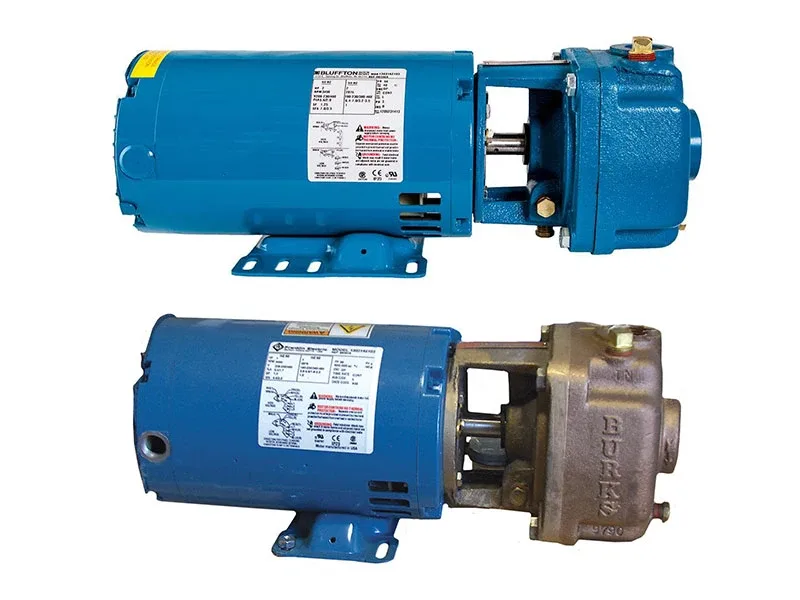
Why Pump Selection Matters
Picking the wrong pump doesn't just hurt efficiency. It creates downtime, seal failures, noise and vibration issues, and wasted energy. The fastest way to avoid that is to stop shopping by horsepower and start selecting by the duty point (flow + head) and the real operating conditions: temperature, suction conditions, fluid type, materials, and motor requirements.
Burks (Crane Pumps & Systems) covers the most common "clean liquid" industrial and commercial pumping needs with five product families:
- End-suction centrifugal pumps (close-coupled and frame-mounted) for high flow / moderate head
- Vertical inline centrifugal pumps for compact HVAC circulation
- Regenerative turbine pumps for high head / low flow
- End-suction self-priming pumps for suction-lift and intermittent priming situations
- Condensate return systems (packaged receiver + pump + controls) for boiler/steam systems
This guide walks through the full selection process so you can narrow down the right Burks pump, or at least know exactly what to ask when you call our team.
Pick the Right Pump Type
Choose based on system behavior, not what you have on the shelf. Centrifugal, turbine, self-priming, inline, or condensate return.
Size It to the Duty Point
Confirm flow (GPM) and total dynamic head (TDH), then validate on the pump curve. Check NPSH on hot water.
Choose the Exact Model
Mounting style, materials, seal options, motor enclosure, voltage/phase, and temperature all matter.
Burks Pumps at a Glance (2026 Lineup)
Use this as a fast "start here" map before you dig into curves and datasheets.
Close-coupled end-suction centrifugal
Models: GA Series & G Series
Range: Flows to 1,100 GPM, heads to 380 ft, 1750/3450 RPM; up to 500 °F with MJ option
Best for: High flow circulation, transfer, boosting
Frame-mounted end-suction centrifugal
Models: GNA, GNB, GNC
Range: Same hydraulics as above; motor/coupling flexibility, back pull-out serviceability
Best for: Same duty, but need motor flexibility or field serviceability
Vertical inline centrifugal
Models: GB
Range: Flows to 80 GPM, heads to 110 ft, 3500 RPM; seal temp to 225 °F
Best for: HVAC hot/chilled water where space is tight
Regenerative turbine
Models: CR, CS, CT, EC, ED, ES, ET
Range: Flows to 91 GPM, heads to 350 ft, 1750/3450 RPM; high-temp options above 400 °F
Best for: Boiler feed, condensate return, pressure boosting at low flow
End-suction self-priming centrifugal
Models: WT, WA6, WG6-2, WPT, WST
Range: Flows to 280 GPM, heads to 178 ft, 3450 RPM
Best for: Suction lift, intermittent priming, tank/underground transfer
Condensate return systems (packaged)
Models: GV
Range: Flows to 80 GPM, heads to 130 ft, rated to 200 °F, prewired controls
Best for: Automatic condensate return to boiler/feed tank
End-Suction Centrifugal
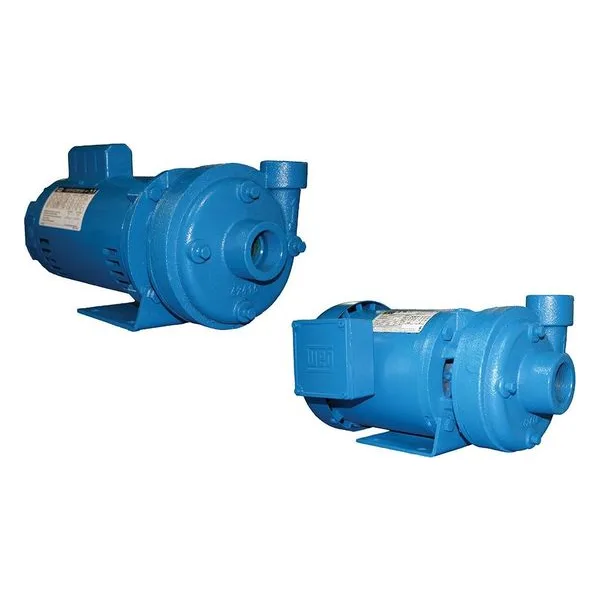
The workhorses of the Burks line. Close-coupled (GA & G Series) for compact general service. Frame-mounted (GNA/GNB/GNC) when you need motor/coupling flexibility or back pull-out serviceability.
Flow: Up to 1,100 GPM
Head: Up to 380 ft
RPM: 1750 / 3450
Temp: 225 °F std; up to 500 °F w/ MJ Jacketed Seal (varies by series)
Series: GA, G6, G7, G9, GNA, GNB, GNC
Vertical Inline
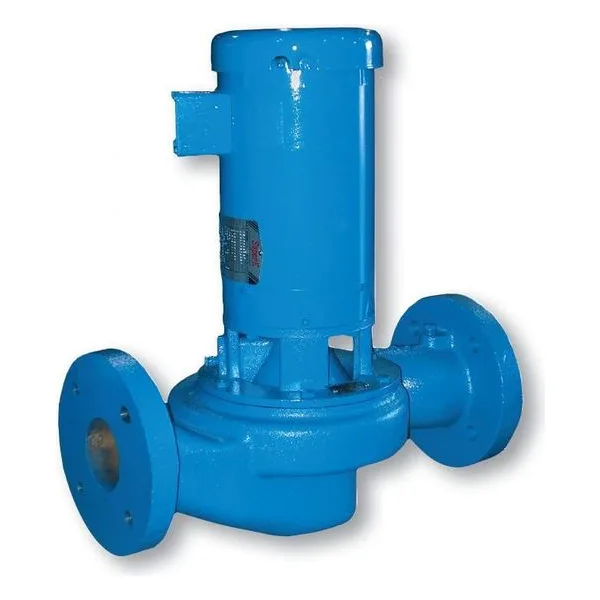
Flanged connections drop directly into your piping run. Installs vertically, horizontally, or at any angle. Compact footprint for space-constrained mechanical rooms. Back pull-out design for servicing.
Flow: Up to 80 GPM
Head: Up to 110 ft
HP: 1/3 to 2 HP (6 models)
Temp: 225 °F (seal rated)
Series: GB
Regenerative Turbine
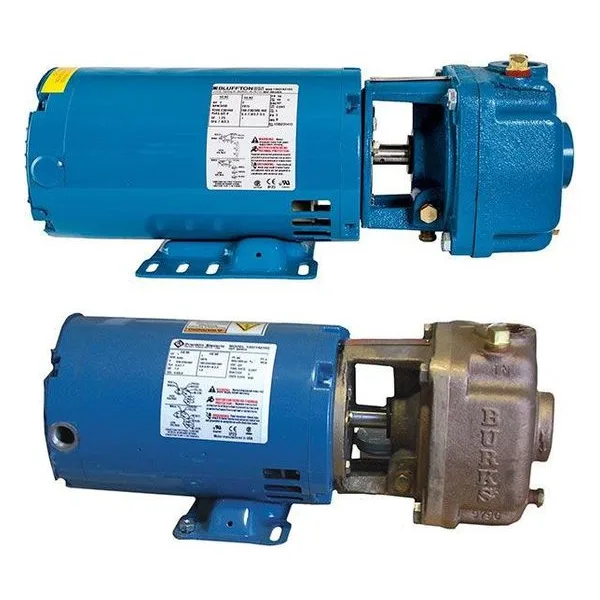
Built for high head / low flow. The regenerative raceway/impeller design is engineered for that exact operating window. Features the patented Life-Lok external impeller adjustment for field-restorable performance.
Flow: Up to 91 GPM
Head: Up to 350 ft
RPM: 1750 / 3450
Temp: 225 °F std; high-temp options above 400 °F
Series: CR, CS, CT, EC, ED, ES, ET
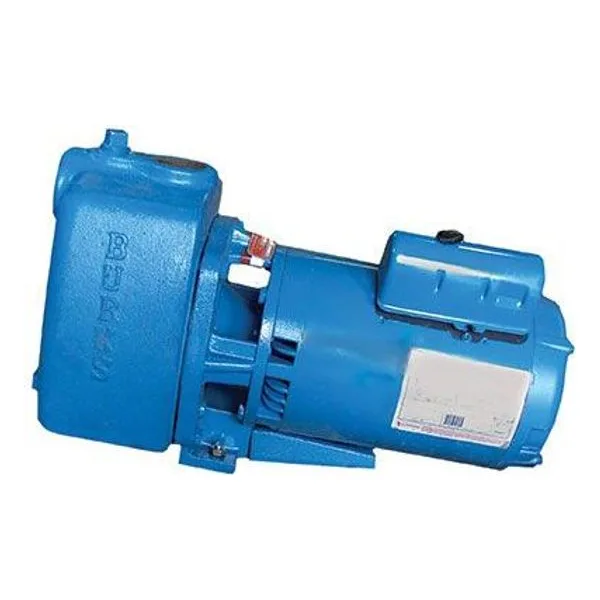
Self-Priming
Draws fluid up from below the pump without manual priming. Specialty series for perchloroethylene (WPT, 1.62 S.G.) and petroleum solvents (WST) with explosion-proof motor options.
Flow: Up to 280 GPM
Head: Up to 178 ft
RPM: 3450
Seal: Leak-proof self-adjusting mechanical seal
Series: WT, WA6, WG6-2, WPT, WST
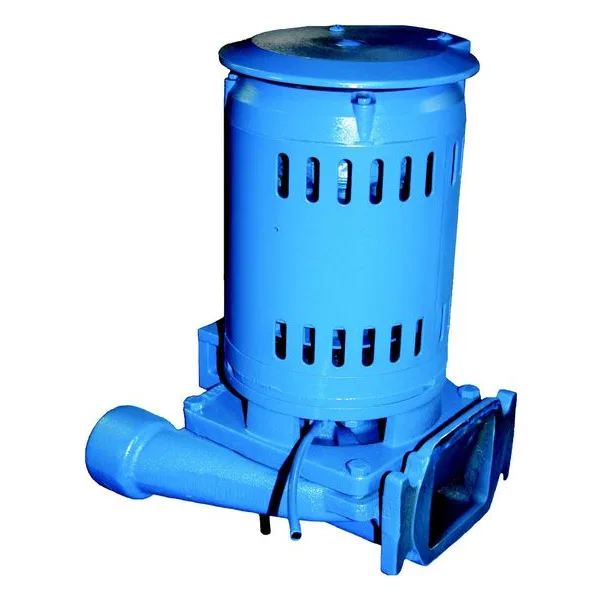
Condensate Return Systems
Complete packaged units: pump + cast iron receiver tank + float switch/alternator + prewired motor controls. Shipped ready to install. Simplex and duplex configurations available.
Flow: Up to 80 GPM
Head: Up to 130 ft
HP: 1/3 to 3 HP (7 stock sizes)
Temp: 200 °F std; 225 °F w/ special seal
Series: GV (packaged systems)
Quick selection logic:
- High flow, moderate head = End-suction centrifugal (GA/G close-coupled or GNA/GNB/GNC frame-mounted)
- HVAC circulation, tight space = Vertical inline (GB)
- High head, low flow = Regenerative turbine (boiler feed, condensate, jockey/pressure maintenance)
- Pump sits above the fluid source = Self-priming (WA6, WT, WG6-2)
- Automatic condensate collection and return = Packaged condensate system (GV)
Step 1: Pick the Right Burks Pump Family
End-Suction Centrifugal Pumps (High Flow, Moderate Head)
When they're the right choice: continuous circulation, general transfer, or booster service at moderate head.
Close-coupled (GA & G Series): compact and the most common configuration we sell. Flows to 1,100 GPM, heads to 380 ft, available in 1750 and 3450 RPM.
Frame-mounted (GNA/GNB/GNC): same hydraulics, but the frame-mounted design gives you motor and coupling flexibility. Back pull-out serviceability, proper bearing lubrication, and standard NEMA motor mounting so you can run premium-efficiency, explosion-proof, or custom HP motors.
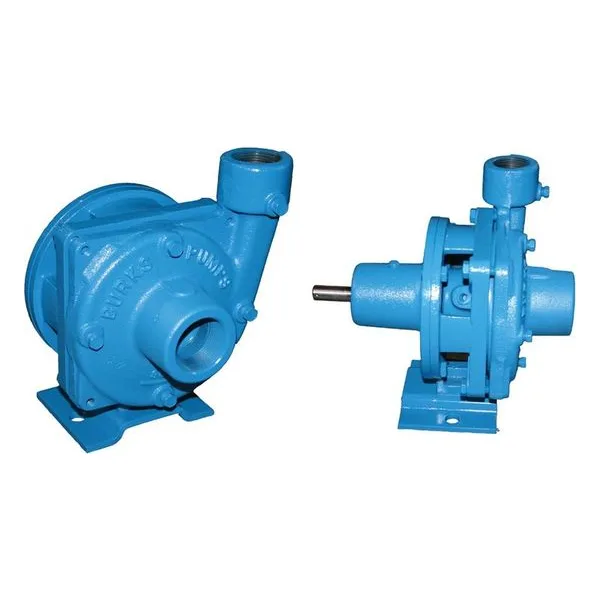
Temperature and seal reality (important)
Many Burks end-suction centrifugal models can be configured for high-temperature heat transfer service with the MJ Jacketed Seal option. This adds a cooling jacket around the seal cavity and is rated for heat transfer fluids up to 500 °F.
Standard seals on close-coupled models (G6/G7/G9) are rated to 225 °F and 150 PSI, with special seals available for higher temperatures. Adding the jacketed seal cavity ("MJ" or "MJK" suffix) extends the temperature range significantly.
Don't assume "225 °F max" for all Burks pumps, and don't assume the high-temp option is available on every model. The temperature rating changes with the series and seal configuration. Ask us if you're not sure.
Regenerative Turbine Pumps (High Head, Low Flow)
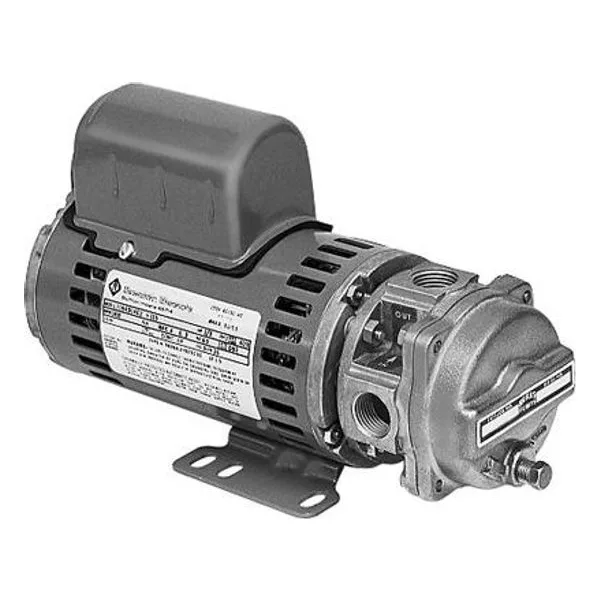
What they do best: Burks regenerative turbine pumps are purpose-built for high pressure / low flow duty. The raceway/impeller design generates high head at low flow rates where a standard centrifugal pump would be oversized and inefficient. Heads to 350 ft, flows to 91 GPM.
Where we see them installed most: boiler feed and condensate return, pressure booster/jockey pumps, heat transfer (hot water/oil), metering/additive feed, hot water spray, brine recirculation, and hydraulic oil circulation.
Options that change what works: Life-Lok adjustment and matched impellers/raceways. Construction options including bronze fitted, all bronze, and stainless steel. Jacketed seal and high-temperature impeller/seal options for applications above 400 °F.
Fluid limits (don't skip this)
These pumps are designed for clear water and other non-abrasive, low-viscosity liquids. If you have abrasives, solids, or high viscosity, a turbine pump is the wrong choice. Call us before ordering if you're unsure about your fluid.
End-Suction Self-Priming Pumps (When the Pump Must Lift Liquid)
If the pump sits above the liquid source and must evacuate air from the suction line, you need a self-priming pump. The Burks self-priming line (WT, WA6, WG6-2, WPT, WST) covers flows to 280 GPM and heads to 178 ft.
What matters for selection: fast priming, leak-proof self-adjusting mechanical seal, cast iron casing with suction/discharge/prime/vacuum gauge/drain tappings, enclosed bronze impeller and bronze shaft sleeve. Options include construction upgrades and explosion-proof motors.
"Self-priming" does NOT mean "can run dry"
Centrifugal pumps should never be started or run dry. Dry running destroys the mechanical seal and leads to premature failure. Self-priming pumps handle air during the priming cycle, but they still need liquid for seal lubrication. Follow the priming and startup procedures in the Burks installation manual.
Packaged Condensate Return Systems (Complete Unit)
If your application is condensate return and you want a complete packaged system, Burks GV condensate units are designed for automatic return of hot condensate to boilers or overhead tanks. They ship as complete units ready for installation.
Specs: flows to 80 GPM, heads to 130 ft, rated to 200 °F. Standard features include cast iron receiver tanks (9, 14, 20, 36 gallon), adjustable float switch (simplex) or mechanical alternator (duplex), bronze-fitted construction, and prewired motor controls.
Step 2: Size It Correctly (Flow + Head + Suction Conditions)
Flow Rate (GPM)
This is your required system delivery at the operating point. Oversizing "just in case" often forces throttling or constant bypass, and both are real operating costs.
Total Dynamic Head (TDH)
TDH is the total resistance the pump must overcome:
- Static head (elevation difference between source and discharge surface)
- Friction loss (pipe, fittings, valves, strainers, heat exchangers, coils)
- Pressure differential (if discharging into a pressurized vessel/boiler)
Head (ft) = PSI x 2.31 | PSI = Head (ft) / 2.31
NPSH and Cavitation Risk
Hot liquids reduce NPSH available. When pumping water above about 180 °F, you must compare your NPSH available against the NPSH required shown on the pump curve. Available must exceed required, or you'll cavitate.
If you don't check this, you risk cavitation, noise, performance loss, and repeated seal/bearing failures.
BEP: Best Efficiency Point
For centrifugal pumps, U.S. Department of Energy guidance is direct: select a pump so the system curve intersects the pump curve within about 20% of the pump's BEP, and choose a mid-range impeller that can be trimmed if needed.
That's how you avoid chronic throttling, runout, vibration, and energy waste.
Before You Buy: Burks Pump Sizing Checklist
Have these ready before you compare models. This is what we need to quote correctly.
Step 3: Choose the Right Burks Model
Close-Coupled vs. Frame-Mounted vs. Vertical Inline
Close-Coupled (GA & G Series)
Best when you want a compact footprint and simpler installation. These are close-coupled centrifugal pumps for circulation, transfer, and booster service. Many models support the MJ Jacketed Seal option for high-temperature heat transfer duty.
Frame-Mounted (GNA/GNB/GNC)
Best when you need motor flexibility or field serviceability. Back pull-out design lets you service the wet end without disturbing the motor or piping. Same high-temperature seal options as the close-coupled line.
Vertical Inline (GB)
Best for HVAC circulation where space matters. Up to 80 GPM / 110 ft, installable in any position, with back pull-out design and seal temperature up to 225 °F.
Materials and What They Actually Mean
Burks commonly offers all iron, bronze fitted, and all bronze constructions across several families.
Potable water caution
Standard bronze and bronze-fitted Burks pumps may contain lead levels that aren't safe for potable water systems. Leaded copper alloys should not be used in drinking water applications. If you need lead-free materials, contact us or the factory. Don't assume "bronze = potable."
Seal and Temperature Selection
Standard mechanical seals on most Burks centrifugal pumps are rated to 225 °F and 150 PSI. For heat transfer and high-temperature service, the MJ Jacketed Seal Cavity option extends capability up to 500 °F (varies by series). Regenerative turbine pumps also have high-temperature seal and impeller options for service above 400 °F.
Two suffix options apply to the jacketed seal cavity:
- "MJ" suffix: fluid temperatures below 400 °F
- "MJK" suffix: fluid temperatures above 400 °F up to 500 °F
Rule: Always specify the actual operating temperature and fluid in the RFQ. Seal choice is not an afterthought. Seal failure is one of the most expensive "small parts" failures you can buy.
Motor and Electrical
At minimum, match these when selecting:
Voltage + Phase
Single vs. three-phase; 115/230V or 208-230/460V
Motor Enclosure
ODP vs. TEFC; explosion-proof if required
Speed (RPM)
1750 vs. 3450 RPM
Burks Model Number Cues (Helpful for Replacements)
Here's what to look for in Burks close-coupled model numbers:
- "4G..." versions typically denote the 1750 RPM series; non-"4" versions are 3500 RPM in that section
- "F" suffix denotes ANSI 125# flat face flanges
- "MJ" / "MJK" suffixes indicate jacketed seal cavity high-temperature configurations
Always confirm exact nomenclature from the current curve/datasheet or the nameplate before ordering parts.
Matching Pump Type to Application
Start with the job, not the pump. This table maps common applications to the right Burks family and series.
HVAC hot/chilled water (space tight)
Type: Vertical inline centrifugal
Models: GB
Why: Inline form factor, serviceable back pull-out design, built for lower volume circulation
General circulation / transfer / booster
Type: End-suction centrifugal
Models: GA & G Series or GNA/GNB/GNC
Why: High flow capacity range, broad configuration choices
Boiler feed (high head, low flow)
Condensate return (pump only)
Condensate return (packaged unit)
Replacing an existing pump? Find the model number on the pump nameplate. Search for it in our product catalog to find the exact replacement, or call us and we'll cross-reference it.
Common Selection Mistakes (and What They Cost)
Mistake 1: Selecting on horsepower instead of the duty point
Horsepower is an outcome of head, flow, and efficiency. It's not the spec you start with. Start with GPM and TDH, then let the curve tell you the HP.
Mistake 2: Ignoring BEP
Keep the operating point within about 20% of BEP. That's not just a DOE recommendation, it's how you avoid vibration, cavitation, and shortened seal life in the real world.
Mistake 3: Treating self-priming as permission to run dry
Centrifugal pumps should never be started or run dry. Dry running destroys the mechanical seal. Self-priming means the pump can evacuate air from the suction line during priming. It does not mean it can operate without liquid.
Mistake 4: Not checking NPSH on hot water / condensate
Above about 180 °F, you need to compare your NPSH available against the NPSH required on the curve. Skip this check and you'll get cavitation, noise, and repeated seal/bearing replacements.
Frequently Asked Questions
What Burks pump should I use for high head and low flow?
Burks regenerative turbine pumps (CR, CS, CT, EC, ED, ES, ET). That's exactly what the turbine design is built for. Heads up to 350 ft. We'll help you confirm the right model on the pump curve.
What Burks pump is best for HVAC circulation?
For compact inline installs, start with the Burks GB vertical inline pump (flows to 80 GPM, heads to 110 ft). For larger HVAC systems, the GA/G Series or GNA/GNB/GNC frame-mounted centrifugal pumps cover higher flow requirements.
Are Burks pumps limited to 225 °F?
No. 225 °F is the standard seal rating, not a hard ceiling. We sell MJ Jacketed Seal configurations rated to 500 °F for heat transfer applications. The right answer depends on which series and seal option you need. Call us with your operating temperature and we'll confirm.
Can a Burks self-priming pump run dry?
No. Do not run these pumps dry. Dry running destroys the mechanical seal. Self-priming means the pump can evacuate air from the suction line, but it still needs liquid for seal lubrication during normal operation.
Are bronze-fitted Burks pumps OK for potable water?
Not automatically. Standard bronze and bronze-fitted Burks pumps may contain lead levels that aren't safe for drinking water. If your application is potable, you need to verify lead-free compliance. Contact us or the factory before ordering.
What information do I need to get the right Burks pump the first time?
Flow, head, temperature, fluid type, suction conditions (including NPSH info), and electrical requirements. That's the minimum needed to select correctly and avoid seal/cavitation issues.
When to Call an Expert
This guide covers the fundamentals, but some jobs need a real conversation with someone who knows Burks pumps. Give us a call if:
You're designing a new system and need help picking and sizing the pump.
Your application involves unusual fluids, temperatures above 225 °F, or explosive atmospheres.
You need a packaged condensate return system and aren't sure which GV configuration is right.
You need to replace a pump but the nameplate is worn off or unreadable.
You're stuck between two or three series and want someone to walk through the differences.
You need a custom quote for a large order, multi-pump system, or OEM skid build.
Talk to a Burks Pump Expert
We stock every Burks pump family, ship same-day before 2 PM EST, and provide real technical support. No phone trees, no runaround.